Complete medical guide
Female Hair Loss & Alopecia in Women
Hormonal hair loss, postpartum shedding, PCOS hair thinning, iron deficiency: a guide written by specialists to make the right diagnosis — and reclaim the density you deserve.
Written by Elena S. (Female Hair Loss Specialist) · Medically reviewed by our internal dermatological board
You counted your hairs this morning. Not consciously — just that way of looking at the shower floor and feeling something tighten in your chest.
A hundred. Maybe more.
There were also the hairs on the pillow. The brush you put down quickly, without really looking. And that reflection in the mirror — the parting that seems wider, the scalp visible where it shouldn't be.
Female hair loss is still too often dismissed as a minor side effect, a natural part of aging, something to just accept. It is none of those things.
In the US and UK, more than 30 million women experience pathological hair shedding at some point in their lives. Postpartum shedding, PCOS hair thinning, chronic telogen effluvium, female androgenetic alopecia (FAGA) — the mechanisms are different for each woman. Confusing telogen effluvium with FAGA means two years of the wrong treatment.
This guide won't give you false hope. But it will give you something more useful: the right words, the right questions to ask your dermatologist, and a clear understanding of what is actually happening in your scalp.
Female pattern hair loss is not inevitable. In the vast majority of cases, it is a response — a signal your body is trying to send you.
Causes specific to female hair loss
Female hair loss is rarely caused by a single factor. This is its key difference from male androgenetic alopecia: in women, multiple mechanisms can occur simultaneously — a fragile hormonal background, undiagnosed iron deficiency, and a period of intense stress are enough to trigger severe telogen effluvium that can last months if all root causes aren't identified.
This chapter reviews the five major causes of female hair shedding documented in dermatological literature. Recognizing them is already the first step toward effective action.
Hormonal disruption: the most underestimated cause
Estrogen is your hair's best friend. It prolongs the anagen phase — the active growth phase that normally lasts between 2 and 6 years — and keeps your follicles in a state of optimal vitality.
When estrogen levels drop sharply — after stopping hormonal birth control, at menopause, or following childbirth — the reverse signal occurs. Follicles, deprived of this hormonal shield, shift massively into the telogen (resting) phase. Two to four months later, the shedding begins. Sudden. Sometimes alarming.
This mechanism is well-documented and has a name: hormonal telogen effluvium. It is distinct from female androgenetic alopecia (FAGA), though both can coexist in the same woman.
The most common situations:
- Stopping hormonal contraception: combined birth control artificially maintains high estrogen levels. Stopping creates an abrupt hormonal withdrawal. Shedding typically occurs 6 to 12 weeks after discontinuation.
- Perimenopause and menopause: the progressive decline in endogenous estrogens exposes follicles to increased androgen sensitivity — including DHT, which then acts more freely on the scalp.
- Menstrual cycle disruptions: amenorrhea, irregular cycles — anything that disrupts the hypothalamic-pituitary-ovarian axis can potentially impact scalp health.
💡 Expert Advice from Elena S. (Female Hair Loss Specialist):
"The first question I ask my patients isn't 'when did your hair start falling?' but 'what happened in your life 2 to 4 months ago?' Stopping a contraceptive, a stressful move, surgery — the follicle has a memory. The shedding you see today is often the echo of a shock experienced two months ago. This timeline is your first diagnostic tool."
Postpartum hair loss: physiological up to a point
During pregnancy, estrogen and progesterone levels reach exceptional highs. The visible result: your hair has never been thicker. The anagen phase is extended, almost no hairs shed. You're in a hair bubble.
Then the baby is born. And the bubble bursts.
In the 2 to 4 months following delivery, all the hairs "retained" during pregnancy simultaneously enter the telogen phase. This is postpartum telogen effluvium — one of the most documented and most distressing forms of hair loss for new mothers.
The good news: in 95% of cases, postpartum hair loss is fully reversible within 6 to 12 months. It only becomes pathological when it extends beyond a year, or when it masks an underlying problem: iron deficiency (very common after delivery and breastfeeding), postpartum thyroiditis, or a predisposition to FAGA.
Warning signs to watch for:
- Shedding that doesn't decrease after 6 months postpartum
- Visible thinning of the hair on top of the scalp (sign of underlying FAGA)
- Extreme fatigue, feeling cold, unexplained weight gain (thyroid signs)
- Dull complexion, shortness of breath, brittle nails (iron deficiency signs)
Iron & Ferritin Supplement for Women
In the postpartum period, ferritin below 40 µg/L is a major aggravating factor for hair shedding. Always confirm with a blood test before supplementing.
- Iron bisglycinate: superior bioavailability
- Take with vitamin C for optimal absorption
- Fewer digestive side effects than ferrous sulfate
- Hair benefits visible from month 3–4
From $16.90
Check Price on AmazonAffiliate link — Indicative prices, verified 21/05/26
PCOS and female androgenetic alopecia (FAGA)
Polycystic Ovary Syndrome (PCOS) affects 10 to 15% of women of reproductive age. One of its least visible — yet most distressing — effects is hair loss.
In PCOS, circulating androgen levels are elevated (free testosterone, DHEA-S, androstenedione). These androgens convert to DHT at the scalp level, and DHT attacks sensitive follicles: progressive miniaturization, thinning, and loss of density on top of the scalp.
FAGA (Female Androgenetic Alopecia) follows a characteristic pattern: diffuse thinning on the top of the scalp, preserving the frontal hairline. This is precisely what the Ludwig scale captures — detailed in Chapter 2.
Other associated signs that point toward a hormonal workup:
- Persistent acne after age 25, especially in the jawline area
- Excessive facial or body hair (hirsutism)
- Irregular or absent menstrual cycles
- Insulin resistance, difficulty losing weight
💡 Expert Advice from Elena S. (Female Hair Loss Specialist):
"In my practice, I see women who have been fighting their hair loss for 3 years with volumizing shampoos and biotin — without ever having a hormonal panel done. Testing free testosterone, DHEA-S, LH, and FSH costs very little at a lab. If your doctor hasn't mentioned these markers, ask for them explicitly. Untreated PCOS will continue to cause hair loss regardless of any topical treatments."
Hypothyroidism and Hashimoto's thyroiditis
The thyroid is the conductor of cellular metabolism. When it slows down — hypothyroidism, or Hashimoto's autoimmune thyroiditis — every cell in the body slows with it. Including follicular cells.
Thyroid-related hair loss is characteristic: diffuse, slow, progressive. It affects the entire scalp, sometimes the eyebrows (particularly the outer third), and is accompanied by a change in hair texture — drier, duller, more brittle.
It's not a dramatic shedding like postpartum effluvium. It's a gentle but relentless evaporation of density, often masked for months before you realize how much the hair has changed.
Hypothyroidism properly treated with levothyroxine generally shows improvement in hair density within 6 to 12 months. Yet the thyroid is systematically under-explored in standard hair loss workups. Request TSH, free T4, and anti-TPO antibody testing — this last marker detects Hashimoto's disease before symptoms appear.
💡 Expert Advice from Elena S. (Female Hair Loss Specialist):
"A TSH within the lab's 'normal range' can hide functional hypothyroidism. Standard reference ranges typically span 0.4 to 4.0 mIU/L. But many studies show that above 2.5 mIU/L, some women already experience symptoms — including hair loss. If your TSH is 3.2 and your hair is falling dramatically, discuss optimal target values for your profile with your endocrinologist. Don't accept a simple 'everything is normal.'"
Iron deficiency and ferritin: the invisible factor
This is probably the most under-diagnosed cause of female hair loss. And also the simplest to correct, once identified.
The hair follicle is one of the fastest-renewing tissues in the body. It consumes enormous amounts of iron to synthesize keratin. When reserves are depleted — in women with heavy periods, vegetarians, or postpartum — follicles are the first to be sacrificed.
Ferritin, not hemoglobin, is the marker to monitor. You can have normal hemoglobin and depleted ferritin silently destroying your hair. The critical threshold for scalp health is generally set at 40 µg/L by trichologists, and the optimal hair health level is above 70 µg/L.
- Ferritin > 70 µg/L: optimal zone for scalp health
- Ferritin between 20 and 40 µg/L: risk zone, supplementation to discuss with your doctor
- Ferritin < 20 µg/L: severe deficiency, hair loss almost certain — urgent treatment needed
Other deficiencies to explore in a complete female hair loss workup:
- Vitamin D (25-OH-D3): very common deficiency, correlated with several types of alopecia
- Zinc: involved in follicular protein synthesis
- B12 and folate: in cases of vegan diet or malabsorption
Iron Bisglycinate — High Absorption Formula
Iron bisglycinate or liposomal iron offers better bioavailability and fewer digestive side effects than ferrous sulfate. Preferred form for women with iron-deficiency hair loss.
- High bioavailability vs standard ferrous sulfate
- Gentle on the stomach — no nausea
- Take with vitamin C for optimal absorption
- Works for FAGA, TE and postpartum shedding
From $18.90
Check Price on AmazonAffiliate link — Indicative prices, verified 21/05/26
Diagnosing your hair loss type: telogen effluvium, FAGA or traction alopecia?
The same amount of hair in the brush can correspond to radically different conditions — and radically opposite treatments. Treating telogen effluvium with Minoxidil adds complexity to a problem that would resolve on its own with the right management. Leaving FAGA untreated for 5 years progressively closes therapeutic windows that won't reopen.
This chapter gives you the tools to distinguish the three main profiles of female hair loss — and to understand where you stand, even before consulting a specialist.
Telogen effluvium: reactive diffuse shedding
Telogen effluvium is the most common form of hair loss in women. Its mechanism is simple: a triggering factor — intense stress, fever, surgery, childbirth, severe caloric restriction, emotional shock — abruptly pushes a large proportion of follicles into the telogen (resting) phase.
Two to four months later, these "sleeping" follicles all shed their hair almost simultaneously. The loss is massive, diffuse, alarming — but the follicles are intact.
Diagnostic characteristics of telogen effluvium:
- Timeline: shedding occurring 6 to 16 weeks after an identifiable triggering factor
- Distribution: diffuse loss across the entire scalp, without preferential zones
- Shed hairs: with a white telogen bulb visible at the root (vs. pigmented bulb in mechanical hair loss)
- Pull test: positive — more than 6 hairs pulled easily by gently gripping a small section
- Progression: spontaneously resolves in 6 to 9 months if the triggering factor is corrected
Chronic telogen effluvium (more than 6 months) is a distinct entity. It requires a full blood workup to identify persistent co-factors: iron deficiency, hypothyroidism, latent PCOS.
💡 Expert Advice from Elena S. (Female Hair Loss Specialist):
"The trap with telogen effluvium is that it generates panic which itself worsens the shedding. The stress caused by the hair loss becomes a new triggering factor — and you enter a vicious cycle. What I tell my patients: your scalp is healthy. Your follicles are alive. What you're losing today is what you should have lost 3 months ago if a factor hadn't retained them. Recovery is almost certain — provided you treat the cause, not the consequence."
Female androgenetic alopecia (FAGA) and the Ludwig scale
Unlike telogen effluvium, FAGA is not reactive. It is a chronic, progressive, genetically determined condition — in which DHT-sensitive follicles gradually miniaturize, cycle after cycle, until they produce a vellus hair invisible to the naked eye.
Its pattern is typically female: diffuse thinning on the top of the scalp, particularly visible along the central part, with relative preservation of the frontal hairline. This is precisely what the Ludwig scale (1977) captures, the international reference for FAGA classification:
| Ludwig Stage | Clinical Description | Visibility | Therapeutic Window |
|---|---|---|---|
| I — Mild | Slight thinning on top of the scalp. Slightly widened central part. Scalp barely visible. | In direct light, hair flattened | Optimal — act now |
| II — Moderate | Clearly visible thinning. Significantly widened central part. Scalp visible to the naked eye in the central zone. | Clearly visible | Good — medications still effective |
| III — Severe | Diffuse and advanced alopecia across the entire top of the scalp. Very low density. Frontal hairline preserved. | Obvious | Reduced — surgical evaluation to consider |
How to self-assess your stage in 3 steps:
- "Wet hair" photo: comb back without drying, photograph from above in natural light. Thinning appears clearly where the skin is visible.
- The part rule: a central part under 5 mm is normal. Between 5 and 10 mm, monitor. Over 10 mm, consult promptly.
- Temporal comparison: photos from 1 to 2 years ago (hair in the same position) are your best tool for objective monitoring.
💡 Expert Advice from Elena S. (Female Hair Loss Specialist):
"The most frequent mistake I see in patients with FAGA: waiting until 'it becomes really visible' before consulting. By then, we're generally at Ludwig stage II or III. Treatments — Minoxidil 2%, spironolactone — are significantly more effective at early stages, when follicles are still in the miniaturization phase and not in irreversible fibrosis. You have a window. Don't miss it."
Minoxidil 2% for Women — FAGA Treatment
The only topical treatment with FDA approval for female pattern hair loss. Apply 1 ml twice daily on dry scalp. Results visible from month 4. Stopping reverts to baseline.
- 1 ml twice daily on dry scalp
- Foam formula: propylene glycol-free option
- Compatible with copper peptide serum (different times)
- Minimum 6 months before evaluating efficacy
From $24.90
Check Availability on AmazonAffiliate link — Indicative prices, verified 21/05/26
Traction alopecia: when your hairstyle becomes an aggressor
Traction alopecia is the only one of the three major forms of female hair loss that is entirely self-inflicted — caused by our own habits. Overly tight buns, extensions, braids worn for years, constricting headbands: repeated, chronic traction on the follicle causes peri-follicular inflammation, then irreversible fibrosis if the aggression continues.
Its pattern is characteristic and often sufficient for clinical diagnosis:
- Location: primarily the frontal hairline and temples, sometimes the nape depending on hairstyle type
- Appearance: linear bald zone, carefully delimited, following exactly the traction line
- Early signs: small follicular papules, itching, pain when styling — these signals precede shedding by several months
- Reversibility: in early forms (less than 6 months), removing the traction is enough to achieve regrowth. After fibrosis, recovery is partial or nil
Overly heavy or tight extensions deserve particular mention. Worn continuously, they create low-intensity continuous traction — 24/7. The result is often discovered years later, when the frontal hairline doesn't recover after removal.
💡 Expert Advice from Elena S. (Female Hair Loss Specialist):
"I tell all my patients who wear protective styles: the protection should be for your follicles, not just your hair. A loosely worn bun, lightweight extensions refreshed every 6 weeks, one night without tying your hair — these micro-decisions preserve years of hair density. If you feel pain or itching at the hairline, that's an emergency signal. Release immediately."
Evidence-based dermo-cosmetic protocols
Finding an effective treatment for female hair loss means navigating an ocean of commercial promises — some based on real studies, others on pure marketing. This chapter only covers protocols that have passed the test of clinical data: Minoxidil 2%, rosemary oil, LED photobiomodulation, and copper peptides. Each has precise indications, clear limitations, and an optimal application method.
Minoxidil 2% for women: the exact protocol, expected effects, pitfalls to avoid
Minoxidil is the only topical treatment with FDA approval for female hair loss. Not the 5% version — reserved for men — but the 2%, whose efficacy in women has been demonstrated in several double-blind randomized clinical trials.
Why 2% and not 5%? Two reasons. First, the effective dose is reached at 2% on a female scalp — female follicles respond differently to the vasodilation induced by the molecule. Second, 5% significantly increases the risk of facial hypertrichosis. Some women use 5% off-label under medical supervision, but this isn't the standard first-line recommendation.
The validated application protocol:
- Frequency: 2 applications per day (1 ml morning and evening)
- Timing: on a perfectly dry scalp, before any styling
- Technique: distribute in 5 to 6 points on the central thinning zone, gently massage for 30 seconds
- Drying: let air dry for 2 to 4 hours before bed
- Commitment: minimum 4 to 6 months before evaluating efficacy — results are not immediate
Initial shedding — why you must not give up. In the first 2 to 8 weeks, it's common to observe a temporary increase in shedding. This phenomenon, Minoxidil shedding, is counterintuitive but physiological: Minoxidil forces the transition to the anagen phase of follicles in the telogen phase. These follicles must first expel their resting hair to produce a new one. Shedding increases before decreasing — this is often a sign the treatment is working.
Warning signs: persistent scalp irritation, extensive redness, or cardiac palpitations (very rare with the topical). In these cases, consult before continuing.
Minoxidil 2% Foam for Women
Foam formulation without propylene glycol — better tolerated on sensitive scalps. Confirm the label reads "Women" or "2%" for the correct concentration.
- Propylene glycol-free: gentler on sensitive scalp
- Foam dries faster than lotion
- Apply on dry scalp before styling
- Clinically proven to reduce shedding
From $22.90
View Top-Rated Options on AmazonAffiliate link — Indicative prices, verified 21/05/26
Rosemary oil: is the enthusiasm justified by the science?
Rosemary essential oil with 1,8-cineole (Rosmarinus officinalis, cineole chemotype) is without doubt the natural anti-shedding treatment with the best evidence-to-popularity ratio. The social media enthusiasm is massive — and for once, it's backed by solid research.
In 2015, Panahi et al. published in the journal Skinmed a randomized clinical trial comparing rosemary oil at 2% to Minoxidil 2% over 6 months in patients with androgenetic alopecia. Result: both groups showed comparable increases in hair count per zone — with an advantage on the rosemary side: less scalp itching.
The probable mechanism: rosemary oil partially inhibits 5-alpha-reductase at the local level (limiting testosterone-to-DHT conversion), and stimulates peri-follicular microcirculation via its phenolic compounds (rosmarinic acid, carnosol).
Optimal application method:
- Dilution: 2 to 3% in a carrier oil (jojoba, argan, or diluted castor oil) — approximately 4 to 6 drops per 10 ml
- Frequency: 3 to 4 times per week, direct application to the scalp
- Contact time: minimum 30 minutes, ideally an entire night
- Rinsing: with a gentle sulfate-free shampoo, without vigorous massage
Limitations to know: Rosemary oil is not a treatment for severe FAGA (Ludwig stage III). It has no FDA approval. Existing studies involve small sample sizes. It remains a valid complement for moderate telogen effluvium or in combination with Minoxidil — both are compatible if applied at different times of day.
Organic Rosemary Essential Oil (1,8-cineole)
A 2023 study matched rosemary oil to Minoxidil 2% in reducing hair shedding over 6 months. Look for the 1,8-cineole chemotype — not camphor or verbenone.
- 1,8-cineole chemotype: clinically studied
- Mix 2–3 drops in carrier oil before applying
- Minimum 30 min contact time, ideally overnight
- GC/MS-certified organic brands only
From $12.90
View Organic Rosemary Oil on AmazonAffiliate link — Indicative prices, verified 21/05/26
LED helmets and laser combs: what photobiomodulation (LLLT) really says
Red low-level light therapy — LLLT for Low-Level Laser Therapy, or photobiomodulation — is one of the most seriously studied hair loss approaches of the past decade. It's no longer limited to clinics: LED helmets and laser combs for home use have widely democratized access.
The mechanism is well established: photons at precise wavelengths (between 630 and 670 nm, in the red to near-infrared spectrum) penetrate skin tissue and stimulate the mitochondria of follicular cells. Locally produced ATP increases, follicles in the telogen or miniaturization phase receive a revitalization signal and resume anagen activity.
This isn't science fiction. The FDA has granted 510(k) clearance to several photobiomodulation devices for hair loss — a regulatory validation that few dietary supplements can claim.
What the literature says:
- A meta-analysis published in the Journal of the American Academy of Dermatology (2014) confirms a significant increase in hair density after 16 to 26 weeks of regular use
- The effect is more pronounced in early alopecia (Ludwig I-II) than in advanced stages
- The combination LLLT + Minoxidil 2% shows superior results to either approach used alone in several studies
How to use an LED helmet or laser comb effectively:
- 3 sessions per week of 15 to 25 minutes (not daily — follicles need a photonic recovery period)
- Minimum duration to evaluate efficacy: 4 to 6 months of regular practice
- Clean, dry scalp, no products between the device and skin
- Main contraindication: drug-induced photosensitivity (certain antibiotics, retinoids)
The most medically referenced devices (Capillus, iRestore, HairMax LaserComb) display different diode densities — what matters isn't the number but the energy density delivered per cm² of scalp. Target at least 5 mW/cm² for documented efficacy.
LLLT Laser Cap — Hair Growth Device for Women
Low-Level Laser Therapy stimulates follicular mitochondria and extends the anagen phase. Filter for FDA-cleared devices with ≥5 mW/cm² energy density.
- FDA-cleared LLLT technology
- Non-invasive, painless — use at home
- Best results combined with Minoxidil 2%
- Session: 20–30 min, 3× per week
From $199
Compare FDA-Cleared Devices on AmazonAffiliate link — Indicative prices, verified 21/05/26
Copper peptides: the serum nobody talks about enough
GHK-Cu (glycyl-L-histidyl-L-lysine copper) is a tripeptide naturally present in human blood plasma. Its regenerative properties on the hair follicle have attracted growing scientific attention since the 1990s — discreet but solid.
In the context of hair loss, GHK-Cu acts on multiple levels:
- Peri-follicular vascularization: copper peptides induce VEGF (vascular endothelial growth factor) production, improving blood supply to follicles
- Partial local DHT inhibition: GHK-Cu reduces androgen receptor expression in dermal papilla cells — a more targeted action than systemic finasteride
- Reduction of follicular inflammation: documented anti-inflammatory properties, particularly useful in reactive-component alopecia
- Anagen phase prolongation: activation of follicular stem cells and extension of the growth cycle demonstrated in vitro
The Ordinary's Multi-Peptide Serum for Hair Density has become the accessible reference — combining GHK-Cu with caffeine, biotin, and REDENSYL. 90-day use studies show measurable shedding reduction in 80% of female users.
Application method: a few drops on dry scalp, with circular massage, morning or evening. Compatible with Minoxidil 2% if applied at a different time of day. Generally excellent tolerance, even on sensitive scalps.
Copper Peptide Hair Density Serum
GHK-Cu activates follicular stem cells, extends the anagen phase and reduces shedding. Look for ≥0.05% GHK-Cu, ideally combined with caffeine or acetyl tetrapeptide-3.
- Activates follicular stem cells (GHK-Cu)
- Compatible with Minoxidil 2% (apply at different times)
- No prescription required
- 90-day studies: measurable shedding reduction in 80% of women
From $14.90
Check Price on AmazonAffiliate link — Indicative prices, verified 21/05/26
Aesthetic solutions, volumizers & hair surgery
Treating the cause of hair loss is the work of the previous chapters. But while waiting for treatment results — which take months, never weeks — or when thinning is already visible in daily life, aesthetic and surgical solutions can immediately restore confidence and volume. This chapter covers the full spectrum: from a hair topper worn in the morning to unshaved FUE transplantation, through scalp micropigmentation.
Hair toppers and volumizers: choosing without damaging healthy hair
A hair topper is a partial prosthesis designed to cover specifically the thinning zone — the top of the scalp — without replacing the entire head of hair. Unlike a full wig, it clips onto existing hair and can be worn daily with remarkable naturalness.
For women with FAGA stages I to II or telogen effluvium visible in the central zone, it's often the most immediate and least invasive solution to restore normal density from the very first morning.
Attachment types — and what to avoid:
- Pressure clips: the most common attachment. Beware of clips that are too tight on weakened hair — this is exactly the mechanism of traction alopecia. Choose wide-toothed clips with silicone coating
- Adhesive tapes / glues: not recommended on scalps undergoing treatment — removal can tear miniaturized hairs. Reserved for more stable hair situations
- Wide integrated clips: the gentlest option — distributes pressure over a larger surface, minimizes localized traction
Human or synthetic hair? Remy human hair toppers offer the best naturalness and withstand heat styling tools. They cost 3 to 10 times more than synthetic and require more maintenance. A high-quality synthetic topper works perfectly for daily use if the color is well-matched.
The 8-hour rule: never wear a clipped topper for more than 8 consecutive hours without airing your scalp. Perspiration under the base creates an environment conducive to folliculitis and worsens local weakening.
Hair Topper for Women — Thinning Crown
Clip-in toppers provide immediate coverage of crown thinning while medical treatments take effect. Choose Remy human hair for the most natural look.
- Measure your thinning zone before ordering
- Remy human hair: heat-styling compatible
- Wide-base clips: minimal traction on remaining hair
- 8-hour rule: air out scalp daily
From $49
Browse Hair Toppers on AmazonAffiliate link — Indicative prices, verified 21/05/26
Scalp micropigmentation (SMP): permanent camouflage for thinning areas
Scalp Micropigmentation (SMP) is a medical dermopigmentation technique that deposits mineral pigments into the superficial dermis to recreate the illusion of follicles or visually densify a thinning area.
In women, the goal is not to simulate a shaved head — but to create a shadow base that reduces contrast between visible skin and sparse hair. On a widened central part or FAGA stages I-II, the effect can be spectacular and simultaneously undetectable.
What SMP can do for women:
- Visually reduce the appearance of a widened central part by several millimeters
- Blend lightened temporal or frontal zones
- Complement transplant results by filling inter-graft zones
- Create a density effect in diffusely sparse hair
What SMP cannot do: replace medical treatment, stop shedding, or work on active scarring alopecia.
Choosing your practitioner: SMP is an act of dermopigmentation, not decorative tattooing. Require a portfolio specifically of female SMP work, ask to see results at 18 months (pigments must have aged well without color shift), and verify that pigments used are carbon or iron oxide-based. Low-quality pigments can shift to green or blue over time.
Result duration varies from 3 to 5 years depending on skin type, sun exposure, and pigment quality. Touch-up sessions are necessary.
💡 Expert Advice from Elena S. (Female Hair Loss Specialist):
"SMP is a lasting decision. I always advise my patients to start with a small test area of 2 to 3 cm², let it heal for 4 weeks, and see how their skin accepts the pigments before treating a large area. Well executed, it's invisible. Poorly executed, it's permanently indelible."
Unshaved FUE hair transplant for women: what you're not told
Hair transplantation is still too often presented as a male solution. That's a mistake. Women now represent 15 to 20% of transplant patients in the US and Europe, and modern techniques are specifically adapted to their needs — particularly the unshaved FUE technique (Long Hair FUE or Unshaved FUE).
In classic FUE, the donor zone (back and sides of the scalp) is completely shaved to allow graft extraction. For a woman with long hair, this is an unacceptable obstacle. The unshaved FUE technique works around this: only the targeted follicles are cut very short locally, with surrounding hair immediately covering the harvested zone. The transplant is practically undetectable from the next day.
Ideal candidate profile:
- FAGA stabilized for at least 12 months (transplantation does not slow shedding of non-grafted native hairs)
- Sufficient donor zone density — the transplant surgeon evaluates this in a pre-operative consultation
- Realistic expectations: transplantation redistributes follicles, it does not create new hairs
- Stable hormonal workup — active FAGA without associated treatment will continue to progress around the grafts
The regrowth calendar:
- Day 1 to Day 14: crusts on recipient zones, redness of donor zone — the most uncomfortable phase
- Weeks 2 to 8: shock loss — transplanted grafts shed (normal, the follicle stays in place)
- Months 3 to 6: progressive regrowth, still fine and unpigmented at first
- Months 9 to 14: definitive results, matured hairs with natural texture and color
The cost of female FUE transplantation in the US varies between $6,000 and $15,000 depending on the number of grafts (generally 1,000 to 2,500 for women). Clinics in Spain and Turkey offer prices two to three times lower — but selecting the right surgeon remains the most decisive investment. Verify certifications, before/after photos on long female hair, and reviews on independent forums.
Post Hair Transplant Recovery Kit
Saline spray + gentle sulfate-free shampoo are the two priority products in the first weeks post-transplant. Avoid alcohol and peroxide for 3 weeks.
- Isotonic saline spray: graft hydration
- Sulfate-free shampoo: no follicle irritation
- No alcohol, no peroxide for 3 weeks
- Minoxidil 2% resumable at 4–6 weeks post-op
From $24.90
Check Price on AmazonAffiliate link — Indicative prices, verified 21/05/26
FAQ — Women's Hair Loss Questions
How much daily hair loss is normal for women?
Losing 50 to 100 hairs per day is considered physiological. Persistent loss above 100 to 150 hairs per day for more than 6 consecutive weeks is classified as effluvium and warrants medical investigation. The quantity alone isn't sufficient: also look at the diameter of regrown hairs. Hairs that are finer and shorter than before indicate follicular miniaturization — a sign of early FAGA — regardless of the daily hair count.
Is postpartum hair loss permanent?
In the vast majority of cases (95%), postpartum telogen effluvium is fully reversible. Shedding peaks between 3 and 5 months after delivery, then progressively decreases and stops around 9 to 12 months. It becomes concerning if it extends beyond 12 months, if it's accompanied by visible thinning of the central part (sign of underlying FAGA), or if a workup reveals iron deficiency or untreated postpartum thyroiditis.
Can Minoxidil 2% cause facial hair growth?
This is the most frequently expressed concern. In practice, with topical Minoxidil 2% applied only to the scalp, the risk of facial hypertrichosis is estimated at less than 3% in clinical trials. This risk is mainly linked to product running onto the forehead during application. Solution: apply to a perfectly dry scalp, slightly bent forward, and don't touch the forehead for 2 hours. The foam (without propylene glycol) is generally better tolerated than the lotion on sensitive skin.
Do I really need a blood test before treating my hair loss?
Yes, without exception. Female hair loss is in the majority of cases a symptom of something else — not the disease itself. Without a workup (ferritin, TSH, hormonal panel, CBC), you risk treating the effect without addressing the cause, which can mean years of inappropriate treatment. A complete hair workup should include at minimum: serum ferritin, TSH + free T4 + anti-TPO antibodies, hormonal panel (free testosterone, DHEA-S, LH/FSH), CBC and CRP.
Is rosemary oil really effective for female hair loss?
A comparative study (Panahi et al., 2015, Skinmed) showed similar efficacy to Minoxidil 2% for rosemary essential oil (cineole chemotype) after 6 months of application. The probable mechanism: stimulation of scalp microcirculation and partial local 5-alpha-reductase inhibition. It's not a treatment for severe FAGA — but for moderate telogen effluvium or as a complement to a medical protocol, rosemary oil diluted at 2% in a carrier oil has sufficient evidence to be recommended without risk.
Scientific Sources & References
- Rushton DH. (2002). Nutritional factors and hair loss. Clin Exp Dermatol. 2002;27(5):396-404.
- Trost LB, et al. (2006). The diagnosis and treatment of iron deficiency and its potential relationship to hair loss. J Am Acad Dermatol. 2006;54(5):824-844.
- Panahi Y, et al. (2015). Rosemary oil vs minoxidil 2% for the treatment of androgenetic alopecia: a randomized comparative trial. Skinmed. 2015;13(1):15-21.
- Sinclair R, et al. (2018). Female pattern hair loss: a pilot study investigating combination therapy with low-dose oral minoxidil and spironolactone. Int J Dermatol. 2018;57(1):104-109.
- Koyama T, et al. (2016). Standardized scalp massage results in increased hair thickness by inducing stretching forces to dermal papilla cells in the subcutaneous tissue. Eplasty. 2016;16:e8.
- Hunt N, McHale S. (2005). The psychological impact of alopecia. BMJ. 2005;331(7522):951-953.
- Olsen EA. (2001). Female pattern hair loss and its relationship to permanent/cicatricial alopecia: a new perspective. J Investig Dermatol Symp Proc. 2005;10(3):217-221.
Identify the cause of your hair loss
Answer 5 questions and receive your personalised protocol.
Our specialist guides for women
Dive deeper with our medically validated articles.

Chronic Telogen Effluvium: Recovery Timeline & Treatments
Chronic telogen effluvium treatments and recovery timeline: precise bloodwork, iron protocol, multi-peptide serum in 3 phases. Guide by Elena S., female hair loss expert.
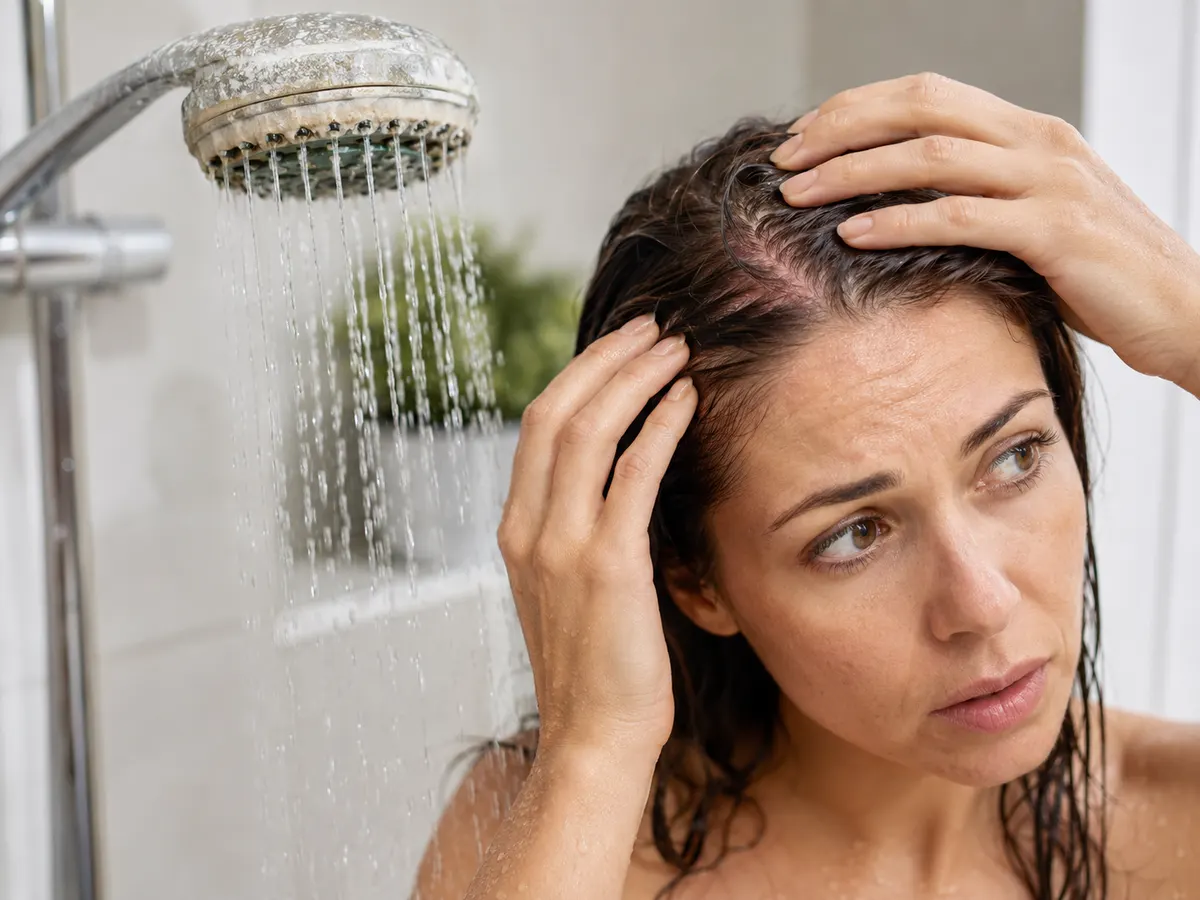
Hard Water Causing Hair Loss: Shower Filter Test & Real Fix
Hard water causing hair loss: interactive hardness test, exact mechanism on the follicle, which shower filter really works, and a 30-day repair protocol from Elena S.

How to Thicken Fine Hair: The Ultimate Guide for Women (Routine + Science)
Struggling with fine or thinning hair? Learn the difference between fine vs thinning hair, then follow the clinically-validated routine — scalp massage, copper peptides, rosemary oil — that genuinely increases hair density for women.

Menopause Hair Loss Treatment: Natural Protocol for Women Over 50
Menopause hair loss treatment natural protocol: multi-peptide serum, phytoestrogens and keratin to slow female hormonal hair thinning. Guide by Elena S., expert in female alopecia.
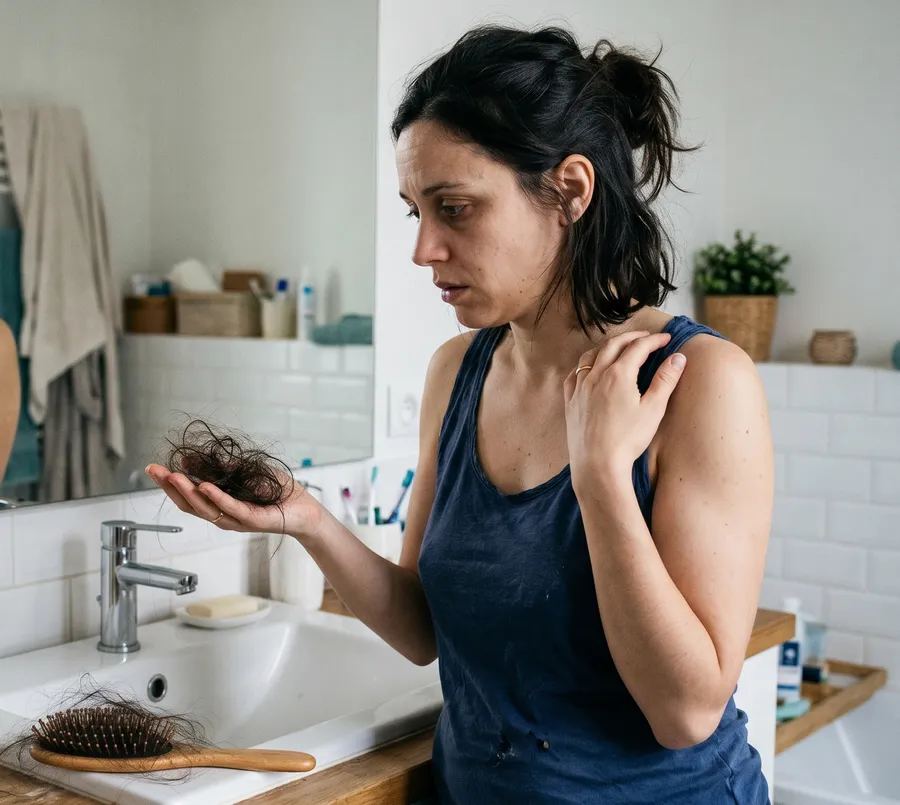
Postpartum Hair Loss: When Should You Actually Worry?
Postpartum hair loss explained: why telogen effluvium is normal, how long it lasts, and the real warning signs (ferritin, thyroid) that need medical attention.
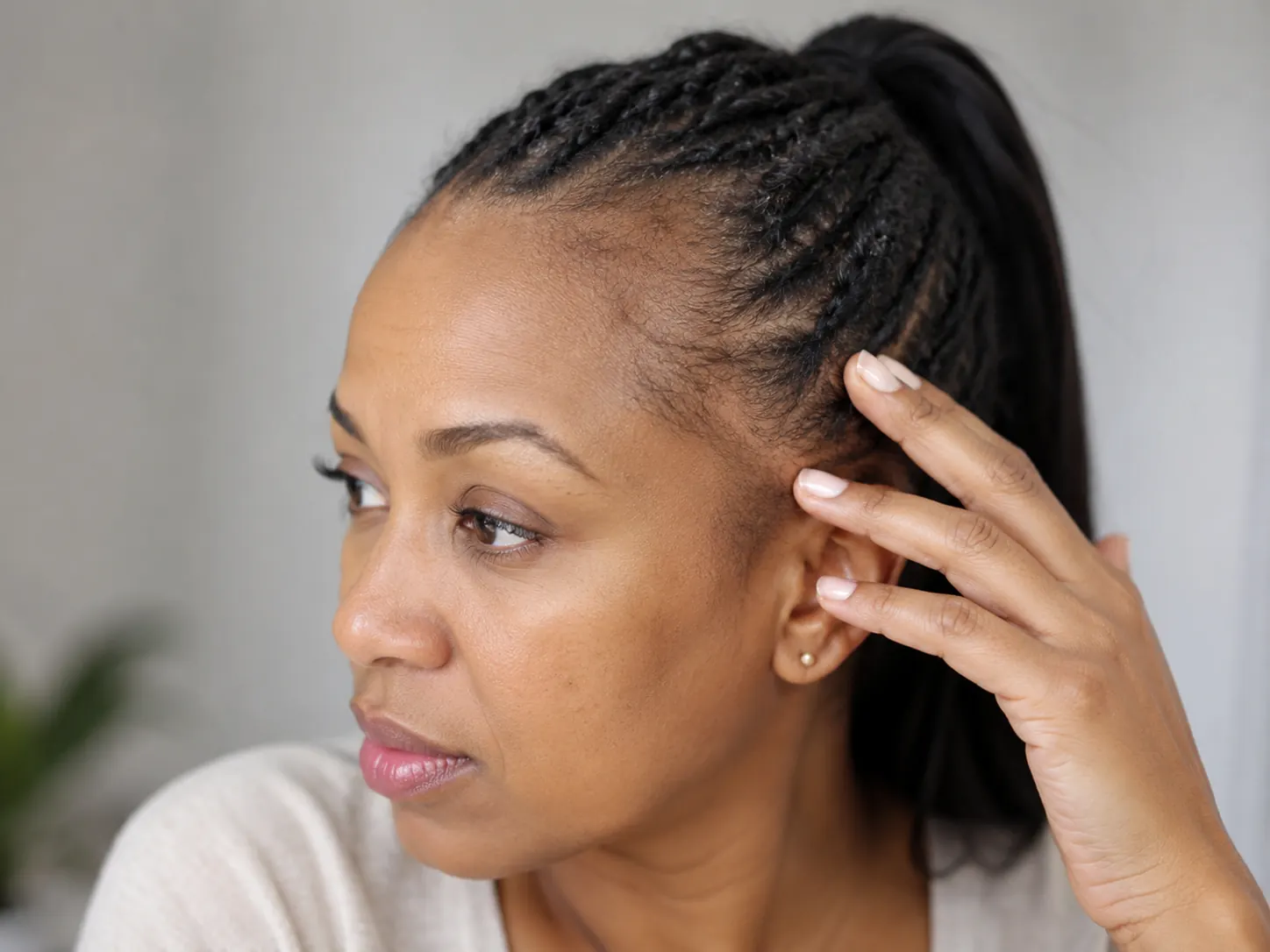
Traction Alopecia Regrowth: How to Fix Edges (Timeline Guide)
Traction alopecia regrowth timeline: JBCO, massage and rosemary protocol to fix your edges and bring back damaged temples. Guide by Elena S., expert in female alopecia.