Complete pharmacological guide
Hair Loss Treatments
Minoxidil, Finasteride, scalp microneedling, DHT blockers: the molecules and protocols validated by science — without marketing scams or empty promises.
Written by Thomas R. (Hair Restoration Specialist) & Elena S. (Female Hair Loss Specialist) · Medically reviewed by our internal dermatology advisory board
The hair loss industry generates billions of dollars every year. By exploiting your fear.
Hundreds of "anti-hair loss" products on pharmacy shelves, Amazon listings, and wellness clinics. Promises of regrowth in 30 days. Serums priced at $80 built around a "patented complex" nobody can actually decode. Influencers paid to convince you that their 12-step routine holds the key to your lost density.
Meanwhile, two molecules — approved by health authorities worldwide for decades, proven across hundreds of randomized controlled trials — sit quietly on a pharmacy shelf, no flashy packaging, no Super Bowl ad campaign. Minoxidil. Finasteride.
This guide has no commercial agenda. It won't sell you a miracle cure or a 3-star supplement. What it will do is explain exactly how the molecules with real evidence behind them work, which side effects are documented (and which are nocebo-amplified forum myths), and how to optimize your protocol to maximize results.
Because the difference between someone who "tried Minoxidil and it didn't work" and someone who stabilized their hair loss within six months is rarely the molecule. It's almost always how it was used.
Scalp microneedling also deserves a full chapter. Long confined to dermatology offices, the dermaroller and derma stamp are now accessible at home — and science now explains precisely why they work. Not magic: molecular biology, growth factor release, and a synergy effect with topicals that can radically change your results.
This guide is long because the subject deserves it. The decisions you make now will determine what remains of your hair density in five years.
Pharmaceutical hair loss treatments: Minoxidil and Finasteride without the noise
Two molecules have dominated the therapeutic landscape of androgenetic alopecia for forty years. Minoxidil, a vasodilator repurposed as a topical scalp treatment in the 1980s. Finasteride, a 5α-reductase inhibitor originally developed for prostate enlargement, converted into a hair loss treatment for men in 1997. No other molecule has displaced them in comparative meta-analyses.
This chapter dissects both without compromise: molecular mechanisms of action, optimal dosages, initial shedding management, real side effects versus nocebo effects amplified by online forums, and emerging topical alternatives that complement — but don't replace — these two pillars.
Minoxidil: how an antihypertensive molecule became the most-studied hair loss treatment in the world
In 1965, Minoxidil was synthesized as an oral vasodilator to treat resistant hypertension. A few years later, physicians noticed an unexpected side effect in their patients: generalized hypertrichosis. Hair was growing where it had stopped.
That detour through cardiology led to the most important discovery in modern trichology.
The mechanism of action of topical Minoxidil is well understood today. The molecule is converted locally into Minoxidil sulfate by follicular sulfotransferase — an enzyme whose activity varies significantly between individuals, which partly explains the heterogeneous treatment responses. This active metabolite works on three simultaneous fronts:
- Perifollicular vasodilation: opening of KATP potassium channels in the smooth muscle cells of perifollicular vessels, increasing the supply of oxygen and nutrients to matrix cells.
- Anagen phase extension: direct prolongation of the follicle's active growth phase, delaying the transition to the telogen phase.
- VEGF stimulation: induction of Vascular Endothelial Growth Factor synthesis by dermal papilla cells, promoting perifollicular neoangiogenesis.
What it does not do: block DHT. Minoxidil does not interfere with the androgenic hormonal cascade. This is a meaningful limitation in strongly androgen-dependent alopecias — a fact too often omitted from marketing materials.
💡 Expert Advice from Thomas R. (Hair Restoration Specialist):
"Topical Minoxidil 5% foam is the validated concentration for men. Not 2%, not 3% — 5%. Local pharmacokinetics are different. I've seen patients use 2% Minoxidil for two years and wonder why results were disappointing. The FDA-approved indication for men starts at 5%. If your scalp is sensitive and the solution causes irritation, switch to the foam — the propylene glycol-free formulation is far better tolerated on reactive or seborrheic scalps."
Minoxidil 5% Foam — Clinically Validated Hair Regrowth Treatment
Propylene glycol-free foam: less runoff, better tolerated on reactive scalps. Apply 1 ml twice daily on dry scalp over thinning zone.
- 5% — FDA-approved concentration for men
- No propylene glycol — ideal for sensitive scalps
- Faster drying time vs solution
- 1 ml morning and evening on dry scalp
From $16.90
Minoxidil 5% Foam on AmazonAffiliate link — Prices indicative, verified 21/05/26
Oral vs topical Minoxidil: what the 2023–2025 studies actually say
Since 2021, low-dose oral Minoxidil (0.25 mg to 2.5 mg per day) has established itself as a serious alternative to topical application — especially for patients who tolerate topical poorly or who need diffuse coverage across the entire scalp.
The reference publication remains Sinclair et al. (2022) in the Journal of the American Academy of Dermatology: 41% of patients treated with oral Minoxidil at 1 mg/day showed overall improvement after 6 months, with a favorable tolerability profile. Piraccini et al. (2021) shows comparable results at 2.5 mg/day in women with diffuse alopecia.
Advantages of oral Minoxidil:
- No direct scalp contact — ideal if irritation or psoriasis is present
- Systemic coverage: effective on hard-to-reach zones (posterior vertex, receded temples)
- Compliance often better than twice-daily topical application
- Potentially lower cost when prescribed off-label
Side effects to monitor:
- Fluid retention and ankle swelling — the most common, generally dose-dependent and reversible upon discontinuation
- Facial hypertrichosis (face, forearms) — dose-dependent, more frequent in women at 2.5 mg
- Reflex tachycardia — rare at low doses, monitor in cardiac patients
- Orthostatic hypotension — especially at treatment onset; evening administration with food is recommended
The claim about "cardiac side effects of topical Minoxidil 5%" circulating on forums deserves clarification: systemic absorption from a correctly applied topical is under 2% of the dose. Plasma concentrations reached are too low to produce any cardiovascular effect in a healthy patient. The concern is understandable — and unfounded in standard cases. It no longer applies if you have a pre-existing cardiac condition, in which case a conversation with your cardiologist before any treatment is non-negotiable.
💡 Expert Advice from Elena S. (Female Hair Loss Specialist):
"For my patients who are postpartum or currently breastfeeding: both topical and oral Minoxidil are contraindicated during breastfeeding — the molecule passes into breast milk. This isn't excessive caution, it's an established contraindication. I always wait until breastfeeding is complete before initiating any Minoxidil treatment. In the meantime, the routine can build on daily scalp massage, dietary zinc, and raising ferritin levels if they are low."
Minoxidil shedding: why your hair loss gets worse before it gets better
This is the phenomenon that causes more than half of patients to abandon treatment during their first attempt. In the first 2 to 8 weeks of Minoxidil application, hair loss accelerates. Sometimes dramatically.
This apparent worsening has a name: Minoxidil shedding. And a perfectly documented mechanism.
Minoxidil forces follicles in the telogen phase (resting) to transition into the anagen phase (growth). To initiate this new growth phase, the follicle must first expel the telogen hair still present in the sheath. This dormant hair had been there for weeks or months, held in place by the follicular structure. Anagen induction releases it — all at once.
What you observe as "worsened shedding" is actually proof that the treatment is working. Follicles are reactivating. Telogen hairs fall to make way for new growth cycles.
What you need to know:
- Duration: intense shedding typically lasts between 2 and 8 weeks, with an average around 3 to 4 weeks
- Intensity: variable depending on the proportion of follicles in the telogen phase at treatment initiation — the more advanced the alopecia, the more pronounced the shedding can be
- Red flags: shedding that extends beyond 3 months without visible improvement, patches of irritated skin or persistent crusting — these signs warrant a dermatology consultation
- Golden rule: do not evaluate Minoxidil's effectiveness before 4 months of continuous treatment. Any assessment before this point is premature
💡 Expert Advice from Thomas R. (Hair Restoration Specialist):
"I tell every patient starting Minoxidil: in 3 weeks, you're going to call me in a panic. Your shedding is going to spike. That's expected. That's the plan. The follicle is doing exactly what we asked it to do. What separates the patients who get real results from those who quit at six weeks is simply understanding this mechanism. Document your shedding with monthly photos — they'll stop you from overreacting to what you feel, and let you measure objective progress."
Oral Finasteride: the most effective DHT blocker — and the most debated
Finasteride acts where Minoxidil doesn't. It's a selective inhibitor of type II 5α-reductase — the enzyme responsible for converting testosterone into dihydrotestosterone (DHT) at the scalp. By blocking this conversion, it removes DHT's ability to attack sensitive follicles and trigger their progressive miniaturization.
The randomized clinical trial numbers are compelling: after two years at 1 mg/day, 66% of treated men stabilize their alopecia, and 48% show visible improvement in density. These aren't marketing claims — this is the Mella et al. (2010) meta-analysis, published in the Journal of the American Academy of Dermatology.
Expected results by timeline:
- 3 months: stabilization of hair loss in the majority of cases. No visible regrowth at this stage.
- 6 months: first signs of regrowth in areas of early miniaturization. Overall density stabilized.
- 12 months: most significant results. This is the standard efficacy evaluation timepoint in clinical studies.
- 24 months and beyond: maintenance of gains achieved. Stopping Finasteride leads to a gradual return to baseline over 6 to 12 months.
Finasteride is strictly contraindicated in women in its standard oral form — particularly women of childbearing age. The molecule inhibits type II 5α-reductase, an enzyme essential for the development of male genitalia in the fetus. Handling crushed tablets or cutaneous exposure is sufficient to present a teratogenic risk.
💡 Expert Advice from Thomas R. (Hair Restoration Specialist):
"The temporal hairline and the crown respond differently to Finasteride. The frontal hairline — especially in advanced Norwood V and VI patterns — is notably less responsive than the vertex. This isn't treatment failure: it's follicular biology. Frontal hairline follicles are often in more advanced fibrosis than crown follicles, which respond better to DHT inhibition. Managing expectations around response location is part of the coaching I provide systematically."
Topical Finasteride + Minoxidil Combo — Dual-Action Hair Loss Treatment
Topical combined formulations with minimal systemic absorption. Consult a dermatologist before any oral Finasteride use — prescription required in US and UK.
- DHT blocker + vasodilator in one formula
- 40–60x less systemic Finasteride vs oral
- Reduced sexual side effect risk
- Consult a dermatologist before oral use
From $22.90
Topical Finasteride + Minoxidil on AmazonAffiliate link — Prices indicative, verified 21/05/26
Oral Finasteride side effects: what studies actually say vs what forums amplify
This is the topic that creates the most hesitation. And the most misinformation.
Sexual side effects of Finasteride — decreased libido, erectile dysfunction, ejaculatory disorders — exist. They are documented. Their frequency in controlled clinical trials is 1.8 to 3.8% depending on the study. These effects are generally reversible upon discontinuation, and resolve in the vast majority of affected patients.
What is less often cited: in double-blind placebo-controlled trials, the placebo group reports sexual side effects at rates between 1.3 and 2.1%. The gap from the Finasteride group is real but far more modest than online discussions suggest.
The nocebo phenomenon — the appearance of negative symptoms induced solely by the expectation of those symptoms — is well documented in pharmacology. A study published in the Journal of Sexual Medicine in 2007 (Mondaini et al.) showed that men informed of possible sexual side effects experienced 3.5 times more adverse events than those who hadn't been informed. This isn't a reason not to be informed — it's a reason to contextualize information with real statistical data.
Post-Finasteride Syndrome (PFS) — persistent side effects after discontinuation — is a more controversial entity, recognized by some experts and disputed by others. Its frequency is estimated at less than 0.5% in available publications. If you observe effects persisting more than 3 months after stopping, an endocrinology consultation is warranted.
What you can do to minimize risk:
- Start at the lowest dose (0.5 mg/day) and titrate up if well tolerated
- Consider topical Finasteride — with significantly reduced systemic absorption — as a first-line option
- Monitor your hormonal panel (total and free testosterone, PSA) at treatment initiation
- Avoid reading online forums before you have your own baseline data — confirmation bias there is massive
💡 Expert Advice from Elena S. (Female Hair Loss Specialist):
"For the rare postmenopausal women who ask about oral Finasteride: it can be considered under strict medical supervision, but spironolactone remains the first choice in the US for women with androgen-dependent FPHL. It blocks androgen receptors at the follicular level with a better-documented tolerability profile in women. Oral Finasteride is never my first recommendation for a female patient — or my second."
Topical Finasteride: the reduced-absorption alternative
Topical Finasteride — gel, lotion, or nanoemulsion — represents a meaningful advance for patients who want the molecule's benefits with minimized systemic exposure.
The pharmacokinetic studies are telling. A topical application of 0.1% Finasteride generates a reduction in local DHT similar to the oral route, but with 40 to 60 times less plasma Finasteride. Blood concentration reached is often below the detection threshold.
The key clinical study: Hajheydari et al. (2009) in the Journal of the European Academy of Dermatology and Venereology shows comparable efficacy between 1% topical and 1 mg oral on hair count at 12 months, with a near-zero incidence of sexual side effects in the topical group.
Limitations to be aware of:
- In the US and UK, topical Finasteride has no FDA or MHRA approval. It is available via compounding pharmacies or through specialized telehealth platforms (Hims, Keeps, Ro).
- The stability of compounded formulations varies — prefer formulations validated by specialized laboratories.
- Onset of action is identical to the oral route: minimum 3 months to observe stabilization.
Combined topical formulations of Minoxidil + Finasteride (notably Spectral DNC-N gel or compounded formulations) are attracting growing attention in the trichology community. Preliminary results are encouraging for patients seeking a fully topical approach.
Advanced Anti-DHT Topicals — Nanoxidil & Copper Peptides GHK-Cu
Spectral DNC-N (Nanoxidil), copper peptides GHK-Cu, and natural DHT-blocking serums. Second-generation topicals with Phase II study data. Complement for mild to moderate stages.
- Nanoxidil — broader channel activation than Minoxidil
- Copper peptides GHK-Cu — follicular regeneration
- Phase II published data
- Complement to core treatment — not a substitute
From $19.90
Advanced Anti-DHT Topicals on AmazonAffiliate link — Prices indicative, verified 21/05/26
Natural DHT blockers: hierarchy of evidence and place in the protocol
The question comes up in every consultation: "Does Saw Palmetto for hair growth actually work?" The honest answer is nuanced.
Saw palmetto (Serenoa repens) is the most studied natural 5α-reductase inhibitor. A 2020 meta-analysis published in the Journal of Drugs in Dermatology covers 7 clinical trials. The results: modest effect on hair density at 6 months, significantly inferior to Finasteride 1 mg/day in direct comparison. Not useless. Not transformative.
Ketoconazole 2% deserves special mention. A staple antifungal in shampoos (Nizoral), it also exhibits meaningful local anti-androgenic activity. A study by Pierard-Franchimont et al. (1998) in Dermatology shows a density effect comparable to Minoxidil 2% over 6 months. Probable mechanism: partial inhibition of scalp androgen synthesis and perifollicular anti-inflammatory effect.
DHT blocker hierarchy of evidence:
- Level 1 — Oral Finasteride 1 mg/day: efficacy documented in Phase III clinical trials, FDA-approved for male androgenetic alopecia
- Level 2 — Oral Dutasteride 0.5 mg/day: inhibits both 5α-reductase isoforms (type I and II), superior to Finasteride in direct comparison in Gubelin Harcha et al. (2014). Off-label prescription for hair loss in the US.
- Level 3 — Ketoconazole 2% shampoo: demonstrated local anti-androgenic activity. Use 2 to 3 times per week with a 3-minute leave-in time.
- Level 4 — Saw Palmetto (320 mg/day): modest effect, excellent safety profile, can complement a topical protocol for patients who decline oral medication.
- Level 5 — Green tea (EGCG), pumpkin seed oil, zinc: preliminary in vitro data or small-cohort studies. Complementary interest, no replacement evidence.
Ketoconazole 2% Shampoo — Antifungal + Anti-Androgenic Action
Nizoral 2%, Regenepure DR, or generic ketoconazole 2%. Use 2–3 times per week, 3-minute leave-in before rinsing. Suitable for men and women.
- Documented anti-androgenic local activity
- Density effect comparable to Minoxidil 2% (Pierard-Franchimont 1998)
- 2–3 times per week — 3-minute leave-in
- Can be alternated with gentle shampoo
From $12.90
Ketoconazole 2% Shampoo on AmazonAffiliate link — Prices indicative, verified 21/05/26
The scalp microneedling revolution: dermaroller, derma stamp, and synergy protocols
For a long time, scalp microneedling was restricted to dermatology offices. Sessions at $150–$300 each, with professional equipment, on physician prescription. Then dermarollers and derma stamps flooded Amazon. And something strange happened: clinical studies showed that at-home results, correctly executed, weren't far behind clinical results.
It's not magic. It's precise molecular biology. This chapter explains exactly why scalp microneedling works, how to choose your tool, and above all how to build a synergy protocol with Minoxidil or other topicals to multiply their penetration by a factor that can reach 4 to 8 times.
Mechanism of action: why 1,200 micro-perforations on your scalp reactivate your follicles
When a 1 mm needle penetrates the papillary dermis, it creates a micro-channel approximately 0.1 mm in diameter. Within 72 hours, that channel has closed. In the meantime, something remarkable happens.
The injury — even microscopic — triggers a controlled inflammatory cascade identical to the wound-healing mechanism. Platelets aggregate and release their alpha granules, flooding the follicular micro-environment with a high concentration of growth factors:
- VEGF (Vascular Endothelial Growth Factor): neoangiogenesis, improved oxygen and nutrient delivery to matrix cells
- PDGF (Platelet-Derived Growth Factor): dermal papilla cell proliferation — the orchestrator of the follicular cycle
- IGF-1 (Insulin-like Growth Factor-1): follicular keratinocyte survival, anagen phase extension
- Wnt/β-catenin: activation of the fundamental follicular cycle signaling pathway, first discovered in transgenic mouse baldness studies and now confirmed in humans
- KGF (Keratinocyte Growth Factor): direct stimulation of hair matrix cell proliferation
But that's not all. The micro-traumatic channels created by the needles serve as transepidermal penetration pathways for topicals applied within 24 to 48 hours following the session. Pharmacokinetic studies measure an increase in Minoxidil penetration of 4 to 8 times after scalp microneedling compared to standard application — an effect that persists 24 to 72 hours until the channels close completely.
The pivot study: Dhurat et al. (2013) in the Journal of Cutaneous and Aesthetic Surgery is the definitive reference: 100 patients randomized into two groups — Minoxidil 5% alone vs Minoxidil 5% + weekly dermaroller. Result at 12 weeks: hair count increase of 91.4 units in the dermaroller group vs 22.2 units in the Minoxidil-only group. No difference in tolerability. The synergistic effect is real and massive.
💡 Expert Advice from Thomas R. (Hair Restoration Specialist):
"The question all my patients ask: 'Does it hurt?' On the vertex and frontal zone, the discomfort at 1 mm is real but tolerable — comparable to a sensitive scalp being vigorously rubbed. On the temples and behind the ears, where the scalp is thinner and better innervated, it's more intense. If you're starting out, begin with 0.5 mm to acclimatize the scalp, then move to 1 mm after 4 to 6 sessions. The 1.5 mm is reserved for those with very good tolerance who are seeking maximum stimulation."
Dermaroller vs Derma Stamp: which tool for which profile?
These are not interchangeable tools. Each has its structural advantages, preferred indications, and specific risks.
The Dermaroller is the most widespread. A rotating cylinder covered in needles that rolls across the scalp. Fast to use, covers large areas in minutes. Its technical disadvantage is inherent to its rolling mechanism: the needle enters the skin at an oblique angle (~45°) and exits at 45° in the other direction. This V-shaped movement creates micro-lacerations slightly wider than straight perforations, and generates more erythema for the same nominal depth.
The Derma Stamp works differently. Needles penetrate perpendicularly — at 90° to the surface — through a vertical stamping mechanism. The perforation is cleaner, the effective depth more precise, and lateral tissue trauma is minimal. For difficult-to-reach zones — receded temples, frontal hairline, deepened corners — it is superior in precision.
Comparison table:
| Criterion | Dermaroller | Derma Stamp |
|---|---|---|
| Coverage speed | Fast (4–6 min for full scalp) | Slow (10–15 min for targeted zone) |
| Penetration precision | Moderate (oblique angle) | Excellent (perpendicular angle) |
| Lateral trauma | Higher | Minimal |
| Difficult zones | Less suited (rolling impossible) | Ideal (temples, corners, vertex) |
| Maintenance | More complex cleaning (cylinder) | Simple (flat surface) |
| Needle lifespan | 3 to 5 uses max (titanium), 1–2 (steel) | Same |
| Average entry price | $15–$35 | $20–$45 |
The ideal combination for a complete protocol: a dermaroller for monthly maintenance across the entire scalp, and a derma stamp for bi-monthly targeted sessions on areas of active thinning (corners, advanced vertex).
💡 Expert Advice from Elena S. (Female Hair Loss Specialist):
"For my patients with diffuse hair loss — telogen effluvium or female pattern hair loss Stage I/II — the 0.5 mm dermaroller twice a week is my first-choice recommendation for self-massage. Not 1 mm right away. The female scalp is often more reactive than the male scalp, and starting gently allows tolerance assessment. Postpartum women should wait until the end of the fourth trimester before any use — the scalp is particularly sensitive in the weeks following delivery."
Titanium Scalp Dermaroller 0.5mm & 1mm — Microneedling for Hair Growth
Gold-coated titanium or 316L surgical steel. 192 or 540 needles with sterilization case. 4–8x Minoxidil penetration boost in the 24–48h synergy window.
- 4–8x Minoxidil penetration increase post-session
- 0.5 mm: 2–3x/week — 1 mm: once/week
- 192 or 540 needles + sterilization case
- Replace needles after 3–5 uses (titanium)
From $14.90
Titanium Scalp Dermaroller on AmazonAffiliate link — Prices indicative, verified 21/05/26
Needle sizes: 0.5mm, 1mm or 1.5mm — the complete guide for each use case
This is the question that comes up most on hair loss forums — and generates the most confusion. The right needle length depends on your goal, your tolerance, and above all what you understand about scalp anatomical depths.
The scalp is structurally different from other skin. The epidermis is relatively thin (0.1–0.3 mm), but the papillary dermis — where follicular dermal papillae and nourishing vessels are concentrated — starts between 0.3 and 0.6 mm deep depending on the zone. The follicular bulb itself sits between 3 and 5 mm — well beyond the reach of at-home microneedles.
What you're targeting with a scalp dermaroller is not the bulb. It's the perifollicular micro-environment: the dermal papilla, perifollicular blood vessels, and stromal cells that chemically communicate with the keratinocytes of the follicular root sheath.
0.5 mm — The starting length and maintenance standard:
- Penetrates the superficial dermis without reaching deep vascularized zones
- Stimulates local growth factor production at sub-maximal but sufficient levels to increase topical penetration
- Minimal discomfort across most scalp zones
- Can be used 2 to 3 times per week without over-inflammation
- Ideal for: beginners, sensitive scalps, maintenance between 1 mm sessions, women
1 mm — The right compromise for regular at-home use:
- Penetrates the mid papillary dermis — zone of maximum concentration of follicular dermal papillae
- VEGF, PDGF, and IGF-1 release at clinically significant levels per Dhurat et al. studies
- Moderate to intense discomfort depending on the zone — vertex generally well tolerated, temples more sensitive
- Recommended frequency: maximum once per week (leave 5 to 7 days for inflammatory recovery)
- Ideal for: men with active androgenetic alopecia, standard weekly use
1.5 mm — Maximum depth for at-home use:
- Reaches the reticular dermis, releasing a more intense inflammatory response
- Potentially superior results — but at the cost of increased irritation risk and post-inflammatory hyperpigmentation on medium to dark skin tones
- Requires 7 to 14 days recovery between sessions
- Avoid on already inflamed areas, scalps with active seborrheic dermatitis, or sensitive skin
- Ideal for: once monthly on heavily thinned zones, as a complement to a weekly 0.5–1 mm protocol
💡 Expert Advice from Thomas R. (Hair Restoration Specialist):
"A patient showed me his results after 18 months of daily 1.5 mm dermarolling. He'd followed advice from a forum that said 'more often = more results.' The outcome: chronically inflamed scalp, permanent perifollicular inflammation, and worsened hair loss compared to his starting point. Low-grade chronic inflammation is one of the mechanisms of follicular miniaturization. Microneedling must trigger an acute, resolved, cyclical inflammatory response — not permanent, unresolved inflammation. Respecting recovery intervals isn't optional."
Scalp microneedling + Minoxidil synergy protocol: the exact timing that makes the difference
This is where most DIY protocols found online go wrong. And that's a shame, because the order and timing of applications largely determines the results obtained.
Fundamental rule: never apply Minoxidil immediately after scalp microneedling.
Here's why. Microneedling creates open channels in the dermis. If you apply Minoxidil (solution or foam, which contains excipients like ethyl alcohol, propylene glycol, or surfactants) into these open channels, systemic penetration increases massively. You go from a standard systemic passage below 2% to a potentially 10 to 20 times higher passage. The cardiovascular effects that are theoretically negligible with a standard topical can become clinically significant.
Cases of tachycardia, edema, and vasovagal episodes have been documented in users who applied oral or high-concentration Minoxidil immediately after a 1.5 mm dermaroller session. This is not a negligible statistic — it's a real and preventable risk.
The validated synergy protocol:
- Day 0 — Microneedling session: clean dry scalp, 10 to 15 minutes of rolling or stamping depending on tool. Clean the tool immediately with 70% alcohol. Optionally apply a soothing serum (aloe vera, panthenol, diluted copper peptides) — without Minoxidil.
- Day 0 + 24h to 48h: micro-traumatic channels are in active remodeling, partially open. This is the optimal synergy window. Apply your Minoxidil normally, with a slight dose reduction if you notice increased sensitivity.
- Days 0 + 2 to 0 + 6: normal topical routine. The scalp is in recovery. No new microneedling before Day 7 (for 1 mm) or Day 14 (for 1.5 mm).
Tool sterilization is a critically underestimated point. A poorly cleaned dermaroller is a vector for folliculitis and scalp infection. The minimum protocol after each use:
- Immediate rinse under hot running water to remove biological residue
- 10-minute immersion in 70% isopropyl alcohol solution (not 90% — the lower concentration is more bactericidal)
- Air-dry in a clean case — never with paper towel, which leaves fibers in the needles
- Replace needles after 3 to 5 uses (titanium) or 1 to 2 (surgical steel) — dull needles tear tissue instead of perforating cleanly
Derma Stamp 1.5mm — Precision Scalp Microneedling for Temples & Crown
Perpendicular 90° needle penetration — more precise than dermaroller. Ideal for temples, hairline, and advanced thinning zones. Monthly use with sterilization cap.
- Perpendicular penetration — cleaner than oblique dermaroller
- Ideal for temples, hairline, advanced vertex
- Monthly use on severely thinned zones
- Check for sterilization cap + replacement cartridges
From $18.90
Derma Stamp 1.5mm on AmazonAffiliate link — Prices indicative, verified 21/05/26
Natural alternatives & supplements: scientific analysis without the hype
The market for dietary supplements and "natural" hair loss treatments is worth several billion dollars. For every approved pharmaceutical molecule, there are dozens of alternatives promising the same results without the side effects. The reality lies somewhere between total skepticism and naive belief.
Some natural alternatives have randomized controlled trials behind them. Others have only in vitro data or very small-cohort studies. This chapter ranks the available evidence honestly — without demonizing the natural, and without unjustified marketing enthusiasm.
Saw Palmetto (Serenoa repens): the most documented natural DHT blocker for hair growth
Saw Palmetto (Serenoa repens) is the most documented natural 5α-reductase inhibitor to date. The berries of the Florida saw palm contain free fatty acids and phytosterols capable of inhibiting the enzyme responsible for converting testosterone into DHT — the molecule that miniaturizes sensitive follicles.
The direct comparison with Finasteride exists. The Rossi et al. (2012) study, published in the International Journal of Immunopathology and Pharmacology, followed 100 men over two years. Result: 68% improvement in hair density in the Finasteride 1 mg/day group, versus 38% in the Saw Palmetto 320 mg/day group standardized to 85–95% free fatty acids. Not bad. But the gap is real, and in a condition where every follicle counts, 30 points of difference is significant.
What Saw Palmetto offers that Finasteride doesn't: an impeccable clinical safety profile. No documented sexual side effects in controlled trials. No post-treatment syndrome. For patients who refuse Finasteride on principle — or who want a cautious entry point before considering the pharmaceutical route — it's a coherent first step in a multi-target protocol.
What matters for dosage:
- Lipophilic extract standardized to 85–95% free fatty acids — this is the form tested in studies. Aqueous or non-standardized extracts have significantly lower biological activity.
- Effective dose: 320 mg/day, in two 160 mg doses with meals. "Hair complex" supplements containing 30 or 50 mg of Saw Palmetto diluted in a blend of 15 ingredients don't reach the therapeutic dose.
- Onset of action: 3 to 6 months minimum for objective evaluation — as with Finasteride, patience is non-optional.
- Possible interaction with anticoagulants (documented antiplatelet activity) — inform your physician if you take warfarin or therapeutic-dose aspirin.
💡 Expert Advice from Thomas R. (Hair Restoration Specialist):
"I recommend Saw Palmetto in two specific situations. First: a patient starting a topical Minoxidil protocol who isn't ready to take Finasteride yet — Saw Palmetto provides a first level of DHT inhibition while Minoxidil works on vascularization. Second: a patient already on Finasteride who wants to add a complement with no known pharmacological interactions. What I say clearly each time: Saw Palmetto does not replace Finasteride if alopecia is active and progressive. It's a complement, not a substitute. Someone with an active Norwood III choosing Saw Palmetto alone to avoid side effects — they'll lose ground during those 6 months."
Saw Palmetto 320mg Standardized — Natural DHT Blocker (Serenoa repens)
Lipophilic extract standardized to 85–95% free fatty acids. 160 mg capsules × 2/day with meals. Verify standardization % on label — unstated = unstandardized.
- 320 mg/day — dose tested in Rossi et al. 2012
- 85–95% free fatty acids — standardized lipophilic extract
- No documented sexual side effects in trials
- 38% density improvement vs 68% Finasteride (direct comparison)
From $14.90
Saw Palmetto 320mg Standardized on AmazonAffiliate link — Prices indicative, verified 21/05/26
Rosemary oil, pumpkin seed oil, and peppermint: what the research really says
Rosemary essential oil (Salvia rosmarinus, 1,8-cineole chemotype) became the star of hair-growth essential oils after the publication of a 2015 study by Panahi et al. in Skinmed. The study compares rosemary oil vs Minoxidil 2% on 100 patients for 6 months. Result: no statistically significant difference between the two groups in hair count.
The conclusion that circulated online: "rosemary oil is as effective as Minoxidil." The honest version: it showed results comparable to Minoxidil 2% (not 5%) in a single study with methodological limitations. This study is encouraging — not definitive. It does not justify replacing a pharmaceutical protocol with an aromatic routine.
The biologically plausible mechanism: 1,8-cineole inhibits platelet thromboxane synthase and locally stimulates prostaglandin E2, promoting perifollicular vasodilation. More circulation = more nutrient delivery to the follicle. This explains an effect on reactive telogen effluvium. It doesn't explain how the oil would rival Minoxidil 5% on Stage IV androgenetic alopecia.
Pumpkin seed oil: the phytosterols it contains — particularly beta-sitosterol — partially inhibit type II 5α-reductase. A 2014 study (Cho YH et al., Evidence-Based Complementary and Alternative Medicine) on 76 men shows a +40% hair count gain versus +10% for placebo after 24 weeks, with 400 mg standardized extract per day. Small cohort, but the first level of randomized controlled evidence available for this plant.
Peppermint oil: peppermint essential oil (high menthol content) activates TRPM8 channels in follicular cells, triggering intracellular calcium influx that potentially stimulates the anagen transition. An animal model study (Oh JY et al., 2014, Toxicological Research) is favorable. Transfer to humans in androgenetic alopecia remains to be confirmed in well-designed controlled trials.
Realistic place in a protocol:
- As a complement to a foundational treatment (Minoxidil, Finasteride) for patients who want to enrich their routine without high additional costs
- As a temporary first-line option for very early stages (Norwood I–II, Ludwig I) or profiles with pharmaceutical contraindications
- Mandatory dilution: 2–3% in a carrier oil (jojoba, argan, hemp) — never undiluted on the scalp
- Caution: Rosemary oil contraindicated in the 1st trimester of pregnancy; Peppermint oil not recommended during breastfeeding
💡 Expert Advice from Elena S. (Female Hair Loss Specialist):
"For my pregnant or breastfeeding patients, rosemary oil and pumpkin seed oil are my baseline recommendation — with the trimester precautions I mentioned. It's not a miracle cure; it's a way to care for the scalp without risk during a period when pharmaceutical options are closed. After the 2nd trimester, daily massage with pumpkin seed oil plus 2% rosemary in jojoba oil — 5 minutes a day, 7 days a week. I see a real difference in hair quality and daily shedding in patients who stick with it. Modest but real."
Rosemary Essential Oil 1,8-Cineole + Scalp Growth Serums
1,8-cineole chemotype (not camphor). Dilute 2–3% in jojoba or argan carrier oil. Pumpkin seed oil and peppermint as complementary scalp treatment.
- 1,8-cineole chemotype — the active form (not camphor)
- Comparable to Minoxidil 2% in Panahi 2015 study
- Dilute 2–3% in carrier oil — never undiluted
- Avoid rosemary oil in 1st trimester of pregnancy
From $7.90
Rosemary Oil & Scalp Serums on AmazonAffiliate link — Prices indicative, verified 21/05/26
Innovative therapies: LLLT red light photobiomodulation and PRP hair injections
Minoxidil, Finasteride, scalp microneedling, supplements — sometimes that's not enough. Or sometimes the patient's profile makes these options difficult: pharmaceutical contraindication, topical intolerance, alopecia at a stage where response to standard treatments plateaus. This is where "third-line" therapies come in: red light photobiomodulation (LLLT) and Platelet-Rich Plasma (PRP) injections.
They're not magic. They don't replace the fundamentals. But they have documented mechanisms of action, published randomized clinical studies, and a real place in multimodal protocols for moderate to advanced cases — or for profiles who temporarily can't access pharmaceutical treatments.
LLLT hair laser helmets: how red light stimulates your follicles with ATP
Photobiomodulation — or Low-Level Laser Therapy (LLLT) — acts on the mitochondrial respiratory chain. Red light photons (650–670 nm) or near-infrared (810 nm) are absorbed by cytochrome c oxidase, the final enzyme of the electron transport chain, triggering an increase in ATP synthesis in follicular cells.
More ATP in dermal papilla cells = more energy available for cellular proliferation, growth factor synthesis, and prolonged maintenance of the anagen phase. The mechanism is elegant, reproducible in vitro, and confirmed in vivo in several controlled trials.
The pivot study: Lanzafame et al. (2013), published in Lasers in Surgery and Medicine. 44 men with androgenetic alopecia stage Hamilton-Norwood II to V, 26 weeks of LLLT at 650 nm, 2 sessions per week. Result: hair count increase of +39% in the treatment group versus +11% in the placebo group. No documented side effects.
The Jimenez et al. (2014) trial in Lasers in Medical Science, conducted on 122 mixed-gender patients, confirms significant density improvements with excellent tolerability at 26 weeks. LLLT is particularly interesting for profiles who can't — or won't — use classical pharmaceutical treatments.
What to know before buying a laser helmet:
- FDA clearance: devices with Class II FDA clearance have provided clinical safety and efficacy data. This is the minimum criterion to verify. "Red LED" helmets sold without medical accreditation often have no published clinical data.
- Wavelength: 650–670 nm for the photobiomodulation effect documented in trichology literature. Devices at 630 nm or 700 nm have less robust data.
- Light density: between 4 and 6 mW/cm² is the documented therapeutic range. Too low: no effect. Too high: risk of paradoxical photoinhibition.
- Frequency: minimum 3 sessions per week, 20 to 30 minutes per session. Effects begin to manifest after 16 to 26 weeks of regular treatment — not before.
💡 Expert Advice from Elena S. (Female Hair Loss Specialist):
"The LLLT laser helmet is one of the very few options I recommend without reservation to pregnant women (with obstetric clearance) and in the immediate postpartum period. No systemic molecule, no chemical contact with the scalp, no documented contraindication during pregnancy or breastfeeding. For a woman who sees her hair shedding spike 2 to 4 months after delivery — the classic postpartum telogen effluvium — the LED helmet combined with daily massage and raising ferritin levels is a coherent and completely safe approach while waiting to resume pharmaceutical treatment. I recommend it systematically in this context."
FDA-Cleared LLLT Laser Helmet — Photobiomodulation Hair Regrowth
Filter for Class II FDA clearance. Wavelength 650–670 nm, light density 4–6 mW/cm². 3 sessions/week × 20–30 min. +39% hair count vs +11% placebo (Lanzafame 2013).
- FDA Class II clearance — minimum required criterion
- 650–670 nm wavelength — documented trichology range
- 4–6 mW/cm² — therapeutic light density
- 3 sessions/week × 20–30 min — results from week 16–26
From $89.00
FDA-Cleared LLLT Helmet on AmazonAffiliate link — Prices indicative, verified 21/05/26
PRP hair injections in clinic: principles, protocol, real pain, and expected results
Platelet-Rich Plasma (PRP) is an autologous injection technique. Your own blood is drawn, centrifuged to concentrate platelets to 5–8 times their baseline level, then reinjected into the thinning zones of the scalp. The platelets release an overdose of growth factors (PDGF, VEGF, IGF-1, EGF, FGF) directly into the follicular micro-environment.
It's the same principle as scalp microneedling — but with a concentrate of endogenous growth factors injected at the source, bypassing the intermediate mechanical trauma.
The Gkini et al. (2014) study, published in the Journal of Cutaneous and Aesthetic Surgery: 46 patients with androgenetic alopecia, 3 initial PRP sessions at 1-month intervals followed by a maintenance session at 6 months. Result at 12 months: 33.6% increase in follicular density and 45.9% increase in hair count. A Gentile et al. (2019) meta-analysis grouping 11 controlled studies confirms the statistically significant benefit of PRP on hair density, with result heterogeneity linked to variability in preparation protocols.
What nobody tells you before the first session:
- The pain is real. Scalp injections — particularly at the temples, frontal hairline, and vertex — are significantly painful, even with surface anesthesia. Expect 20 to 40 injections per session depending on the surface treated. Not the same as a blood draw — a diffuse, persistent pain lasting 20 to 40 minutes.
- The alopecia stage strongly conditions the response. Norwood II–IV respond well. Norwood V–VI with advanced fibrosis respond poorly — PRP cannot resurrect a definitively fibrosed follicle. The ideal candidate is someone who still has functional but miniaturized follicles.
- The preparation protocol is decisive. Centrifugation speed, the presence of an activator (calcium chloride, autologous thrombin), and the reinjected volume directly influence the final platelet concentration. Ask your practitioner their target platelet concentration — efficacy begins around 1 million platelets/µL.
- The cost is significant: $400 to $800 per session depending on the clinic and protocol. Minimum protocol: 3 initial sessions + 1 maintenance at 6 months. Total budget over 12 months: $1,600 to $3,200.
💡 Expert Advice from Thomas R. (Hair Restoration Specialist):
"The ideal PRP profile from my experience: a man aged 25 to 45, Norwood Stage II to IV, who has stabilized his hair loss with Minoxidil + Finasteride but wants to further improve density, or who presents areas of active thinning no longer responding to topicals alone. PRP as a complement to an already solid protocol makes sense. PRP alone without a foundational treatment in active androgenetic alopecia — results are short-lived. DHT keeps working between your sessions. It's not a standalone strategy; it's an amplifier within a well-constructed multi-target approach."
Frequently asked questions about hair loss treatments
Can Minoxidil and Finasteride be used together?
Yes, and this combination is even recommended for moderate to severe androgenetic alopecia. Both molecules act on complementary mechanisms: Minoxidil stimulates vascularization and extends the anagen phase, Finasteride reduces DHT availability. Their combination in clinical trials shows results superior to either molecule taken separately. No significant pharmacological interaction has been documented between the two. Start both simultaneously or introduce Finasteride after establishing your Minoxidil tolerance.
After how long can I stop Minoxidil without relapse?
That's the wrong question. Minoxidil doesn't 'cure' androgenetic alopecia — it manages it. Upon stopping treatment, hair loss typically resumes within 3 to 6 months, gradually returning to the stage that would have been reached without treatment. There is no duration of use after which you can stop without loss. If your alopecia is genetically programmed, treatment is long-term. The only exception: reactive effluviums (postpartum, telogen effluvium), where treatment can be stopped once the underlying cause is resolved.
Does a dermaroller work on its own, without Minoxidil?
Yes, but with more modest results than in combination. The Dhurat et al. (2013) study shows that the dermaroller alone generates improvement in hair count, even without topicals. The mechanism is endogenous growth factor release through the controlled inflammatory response. For patients who decline Minoxidil or don't tolerate it, a weekly 1 mm dermaroller protocol combined with a ketoconazole 2% serum and a copper peptide shampoo represents a reasonable alternative. Results will be less dramatic but real.
Can Minoxidil cause facial hair growth in women?
Yes, this is the main cosmetic side effect of Minoxidil 5% in women. We're talking about facial hypertrichosis — fine downy hairs growing on the temples, forehead, and cheeks. This effect is more frequent with propylene glycol solution than with foam, and more pronounced with 5% than with 2%. It is generally reversible upon stopping. To minimize this risk: use propylene glycol-free foam at a reduced dose of 0.5–1 ml/day, and avoid any contact with facial skin during application. The 2% formulation remains the first-line recommendation for women.
Can you use a dermaroller if you have seborrheic dermatitis or dandruff?
No, not during active flare-ups. Seborrheic dermatitis creates low-grade scalp inflammation. Adding mechanical trauma from microneedling can worsen inflammation and promote secondary infection. Treat the seborrheic dermatitis actively first (ketoconazole 2%, zinc pyrithione, ciclopirox) until stabilized, then introduce the dermaroller during calm phases, starting at 0.5 mm with close tolerance monitoring.
Topical vs oral Finasteride: how to choose?
For a first trial, topical Finasteride offers a significantly superior systemic safety profile with comparable local efficacy. It's recommended as a first-line option for patients who want to minimize the risk of systemic side effects, younger sexually active men with apprehension, and all cases where systemic exposure should be minimized. Oral Finasteride is preferred when diffuse coverage is needed across a large thinning area, or when compliance with daily topical application is problematic. In all cases, a medical prescription remains mandatory.
Is Saw Palmetto for hair growth really effective?
Yes, with important nuances. Saw Palmetto genuinely inhibits 5α-reductase and has positive clinical data — but with an effect approximately half as powerful as Finasteride. The Rossi et al. (2012) study shows 38% density improvement for Saw Palmetto 320 mg/day vs 68% for Finasteride 1 mg/day over two years. Useful as a complement or for profiles who categorically decline the pharmaceutical route. Not a substitute for Finasteride in active, progressive androgenetic alopecia. Key dosage: 320 mg/day of lipophilic extract standardized to 85–95% free fatty acids — not under-dosed multi-ingredient blends.
Do natural hair loss treatments have side effects worth knowing about?
The word 'natural' is not synonymous with harmless. Saw Palmetto can interact with anticoagulants (warfarin, therapeutic-dose aspirin) due to its antiplatelet activity — inform your physician. Rosemary essential oil is contraindicated in the first trimester of pregnancy. Peppermint oil is not recommended during breastfeeding due to menthol passing into breast milk. Pumpkin seed oil can cause digestive discomfort at high doses in sensitive stomachs. For dietary supplements, systematically check drug interactions based on your current treatment — your pharmacist is an underused resource for this.
Do LLLT laser helmets for hair actually work?
Yes, with a moderate but real level of evidence. Several randomized controlled trials (including Lanzafame et al. 2013, Jimenez et al. 2014) show statistically significant improvements in hair count versus placebo, with gains of around +35 to +40% relative to the control group. FDA-cleared 650–670 nm devices have published clinical data and excellent tolerability — no documented side effects to date. That said, effects remain more modest than Minoxidil 5% or the Minoxidil + Finasteride combination for advanced androgenetic alopecias. LLLT is particularly relevant for profiles who cannot use pharmaceutical treatments: pregnant or breastfeeding women, medical contraindications, early stages for prevention.
Scientific references
- Dhurat R et al. (2013). A randomized evaluator blinded study of effect of microneedling in androgenetic alopecia. Journal of Cutaneous and Aesthetic Surgery, 6(2), 108–110.
- Mella JM et al. (2010). Efficacy and safety of finasteride therapy for androgenetic alopecia: a systematic review. Archives of Dermatology, 146(10), 1141–1150.
- Hajheydari Z et al. (2009). Comparing the therapeutic effects of finasteride gel and tablet in treatment of the androgenetic alopecia. Indian Journal of Dermatology, Venereology, and Leprology, 75(1), 47–51.
- Sinclair RD et al. (2022). Low-dose oral minoxidil for hair loss: clinical outcomes and safety review. Journal of the American Academy of Dermatology.
- Gubelin Harcha W et al. (2014). A randomized, active- and placebo-controlled study of the efficacy and safety of different doses of dutasteride versus placebo and finasteride in the treatment of male subjects with androgenetic alopecia. Journal of the American Academy of Dermatology, 70(3), 489–498.
- Mondaini N et al. (2007). Finasteride 5 mg and sexual side effects: how many of these are related to a nocebo phenomenon? Journal of Sexual Medicine, 4(6), 1708–1712.
- Pierard-Franchimont C et al. (1998). Ketoconazole shampoo: effect of long-term use in androgenic alopecia. Dermatology, 196(4), 474–477.
- Koyama T et al. (2016). Standardized scalp massage results in increased hair thickness by inducing stretching forces to dermal papilla cells in the subcutaneous tissue. ePlasty, 16, e8.
- Olsen EA et al. (2002). A randomized clinical trial of 5% topical minoxidil versus 2% topical minoxidil and placebo in the treatment of androgenetic alopecia in men. Journal of the American Academy of Dermatology, 47(3), 377–385.
- Rossi A et al. (2012). Comparative effectiveness of finasteride vs Serenoa repens in male androgenetic alopecia: a two-year study. International Journal of Immunopathology and Pharmacology, 25(4), 1167–1173.
- Lanzafame RJ et al. (2013). The growth of human scalp hair mediated by visible red light laser and LED sources in males. Lasers in Surgery and Medicine, 45(8), 487–495.
- Gkini MA et al. (2014). Study of platelet-rich plasma injections in the treatment of androgenetic alopecia through a one-year period. Journal of Cutaneous and Aesthetic Surgery, 7(4), 213–219.
Not sure which hair loss treatment to start with?
Answer our 3-minute diagnostic — hair loss pattern, affected areas, progression stage — to get a personalized protocol.
All our treatment articles
Comparisons, detailed protocols, product reviews, and clinical studies broken down.
Aminexil vs Minoxidil: Which One Actually Works?
Aminexil vs minoxidil: what the real difference is, and which to choose. Why each product's legal status decides how much evidence sits behind it, what aminexil's proposed mechanism rests on, what minoxidil is forced to print on its own label, and how to read a hair-loss label before you buy.
Ketoconazole Shampoo for Hair Loss: What It Actually Does
Ketoconazole shampoo and hair loss: what the studies really found, 1% vs 2%, the contact time nearly everyone skips, and why the recalled tablet has nothing to do with your bottle.

Does Biotin Work for Hair Loss? What It Does, and What It Distorts
Does biotin regrow hair? What the published cases actually show, what a 'supports healthy hair' label is allowed to claim, and why biotin can throw off a thyroid panel or a troponin test.
Does Caffeine Shampoo Work for Hair Loss? What the Studies Actually Tested
Does caffeine shampoo do anything for thinning hair? What the isolated-follicle work shows, what the 2017 trial really compared, what the 2025 systematic review graded the evidence at, and why a regulator banned the claim.

Does Saw Palmetto Work for Hair Loss? The Honest Numbers
Does saw palmetto work for hair loss? What the trials really found, the measured gap against finasteride, the telling detour through prostate research, and how to read a Serenoa repens label before you buy.

Finasteride for Hair Loss: What the Evidence Actually Shows
Finasteride for hair loss: what the trials measured, what the FDA label says about persistent side effects and pregnancy, what Europe added to the box in 2025, and how to prepare the conversation that should come before the prescription.
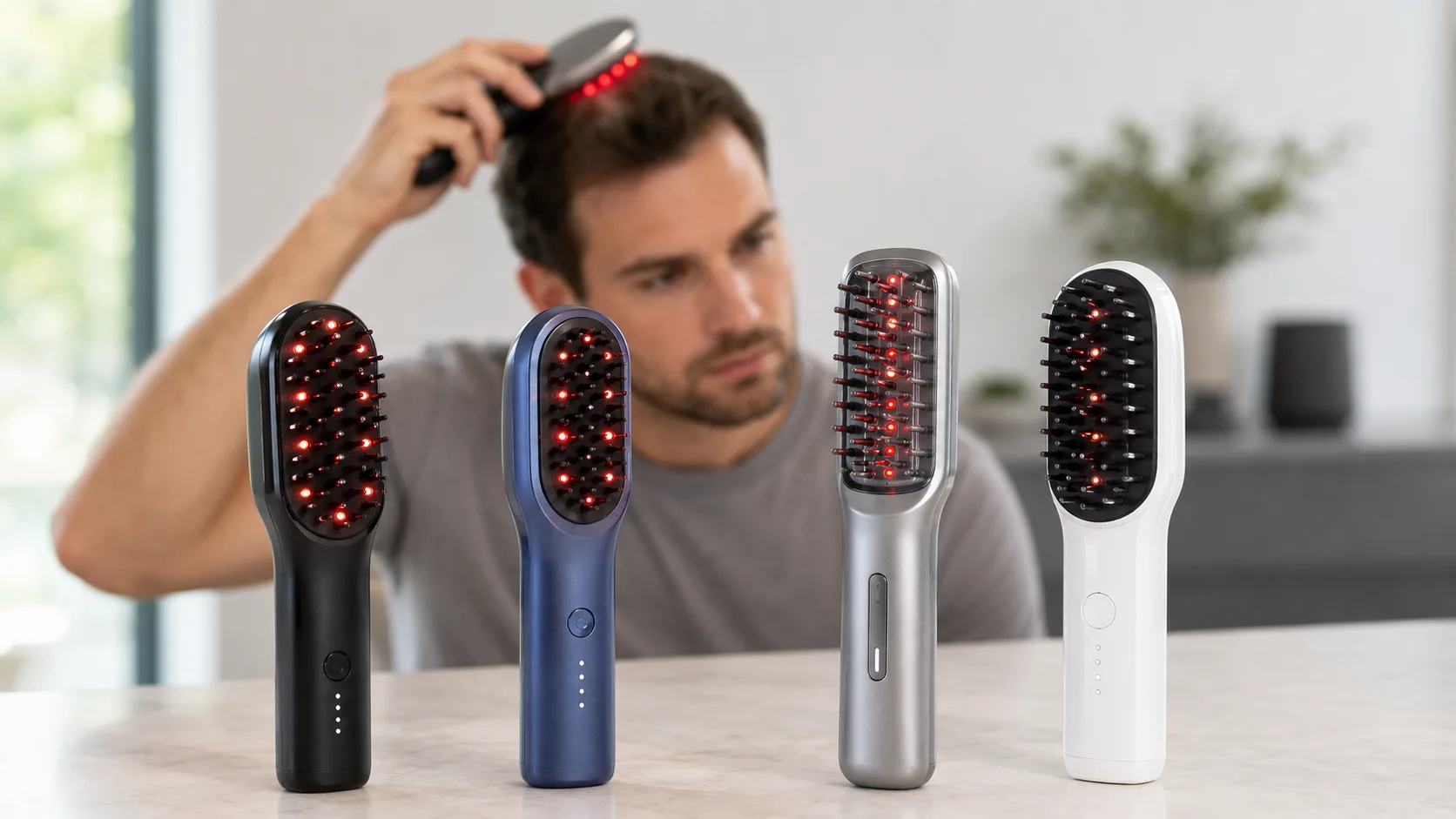
Laser Hair Growth Comb Review 2026: Best Models Before and After
Laser and infrared hair loss comb reviews 2026: HairMax vs iRestore, portable LLLT combs, high-frequency wands. Thomas R. reads the trials, tests the devices, and shows how to tell a specified listing from a keyword.
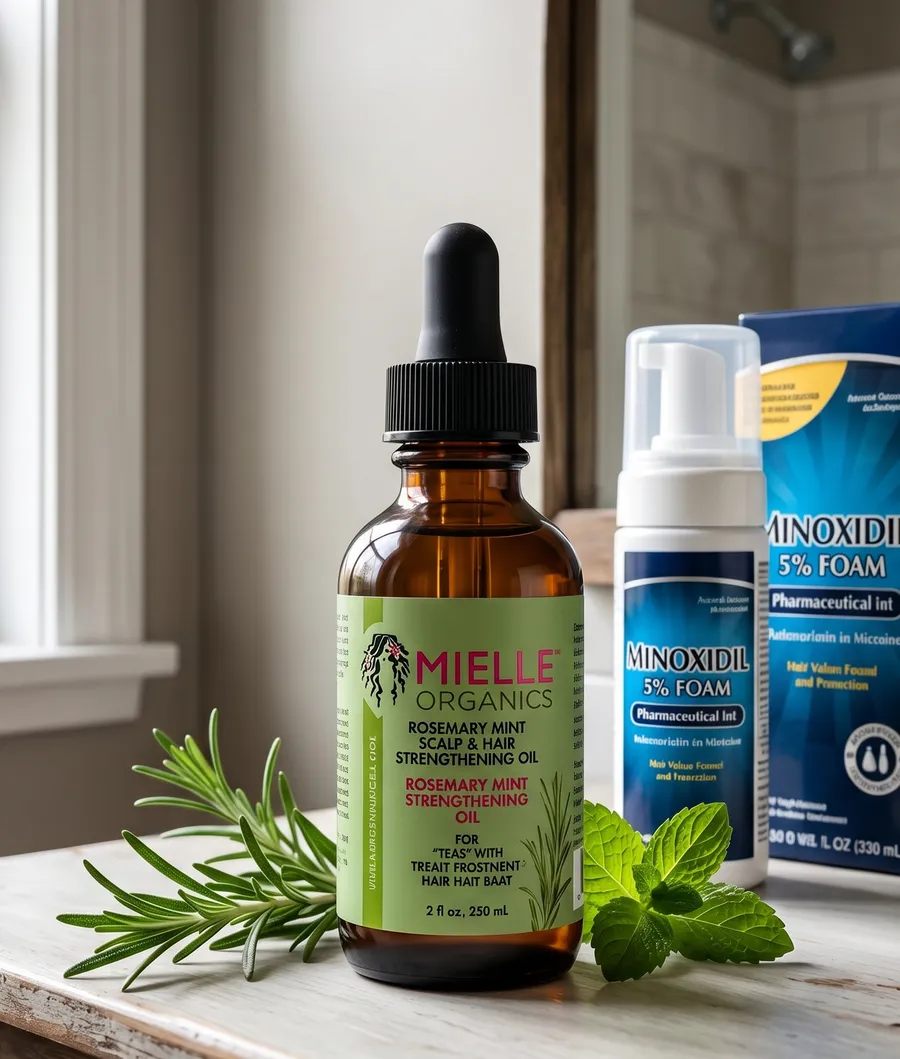
Mielle Rosemary Oil Review: Real DHT Blocker or TikTok Hype?
In-depth Mielle Organics rosemary oil review: Panahi 2015 study decoded, the 5-alpha reductase mechanism explained, men vs women protocol, and an honest Minoxidil comparison.
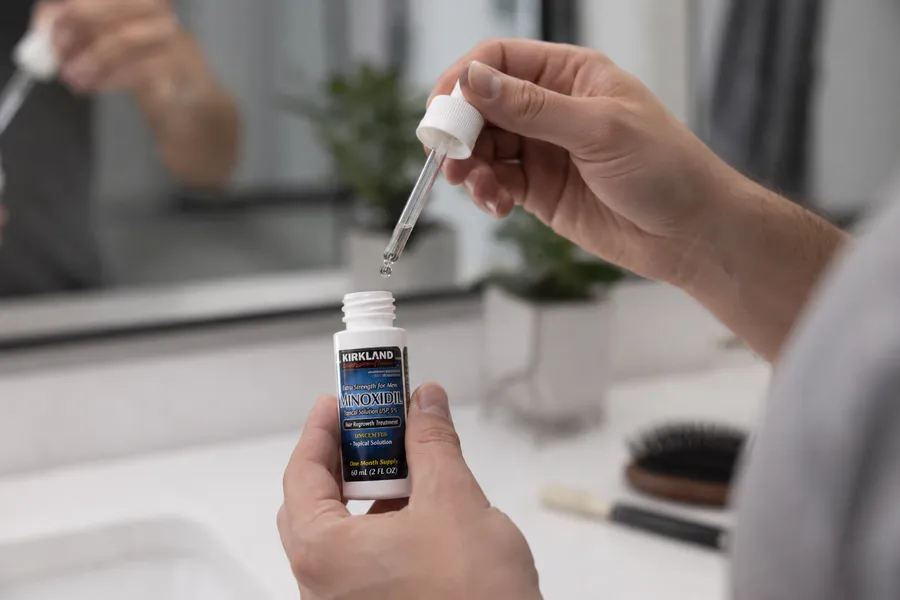
Minoxidil 5% for Men: Protocol, Results & Shedding Phase Explained
Complete guide to Minoxidil 5% for men: how it works (vasodilation, potassium channels), why Month 1 shedding is a positive sign, the only application protocol that works, the 24h dermaroller rule, and the lifetime commitment reality.